Julieta Beltrán Lazo
De la punta de los dedos al centro de las tripas
PALMA - Sala 1
noviembre 01, 2024 - enero 18, 2025
“Tengo ganas de escupir el esqueleto”.
Recordé esta frase viendo algunas pinturas de Julieta. La frase la he escuchado decir a mi mejor amiga repetidamente a lo largo de nuestros años de amistad, nunca he sabido a qué se refiere precisamente, pero puedo sospechar que es cuando sientes que la ansiedad confiscó tu ser, o cuando te sientes harta de ser tú; o harta de ser mujer, delimitadamente.
Esta incomodidad visceral de habitar tu cuerpo, de sentir como el viento sopla dentro de tus propias tripas.
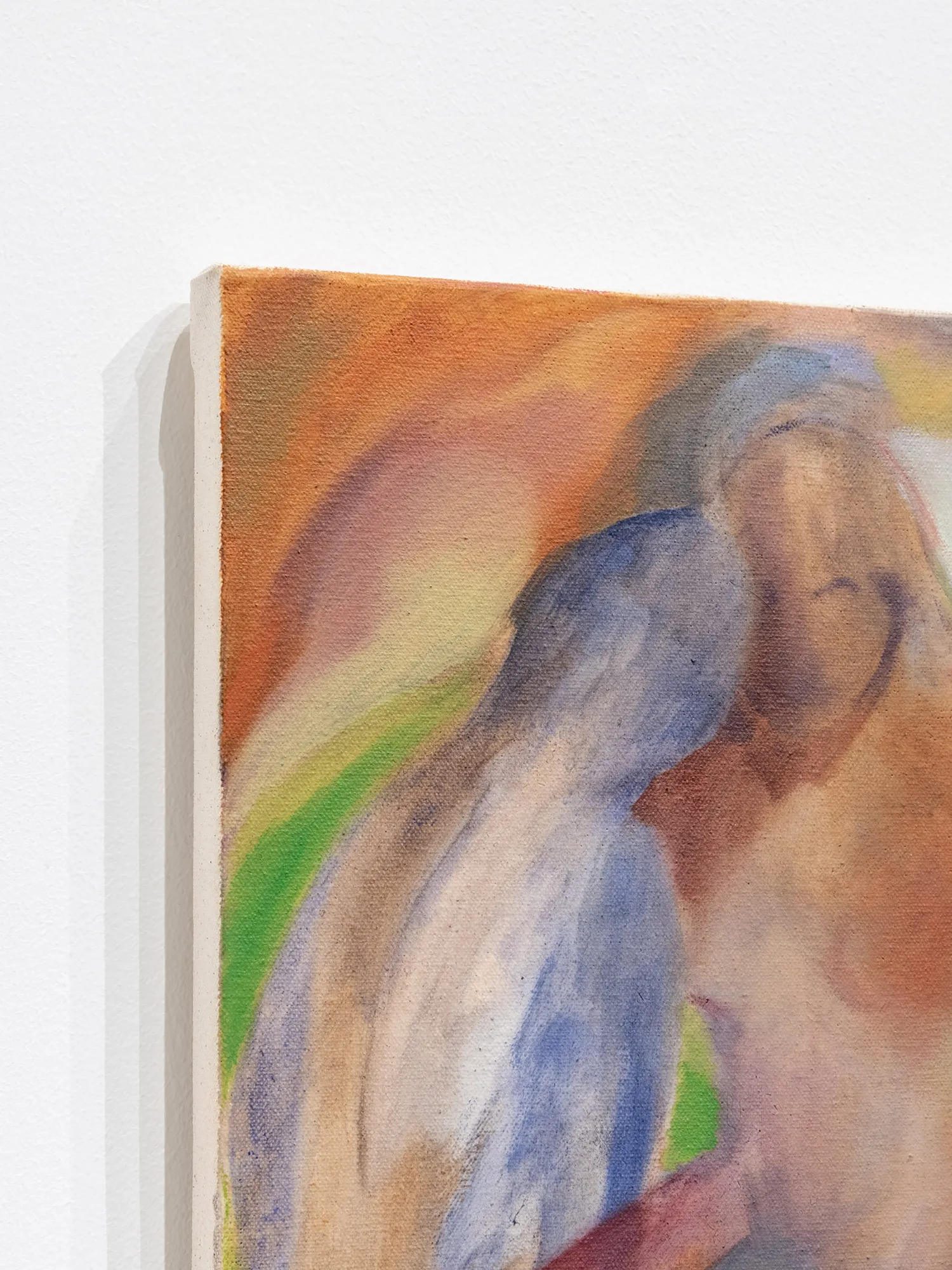
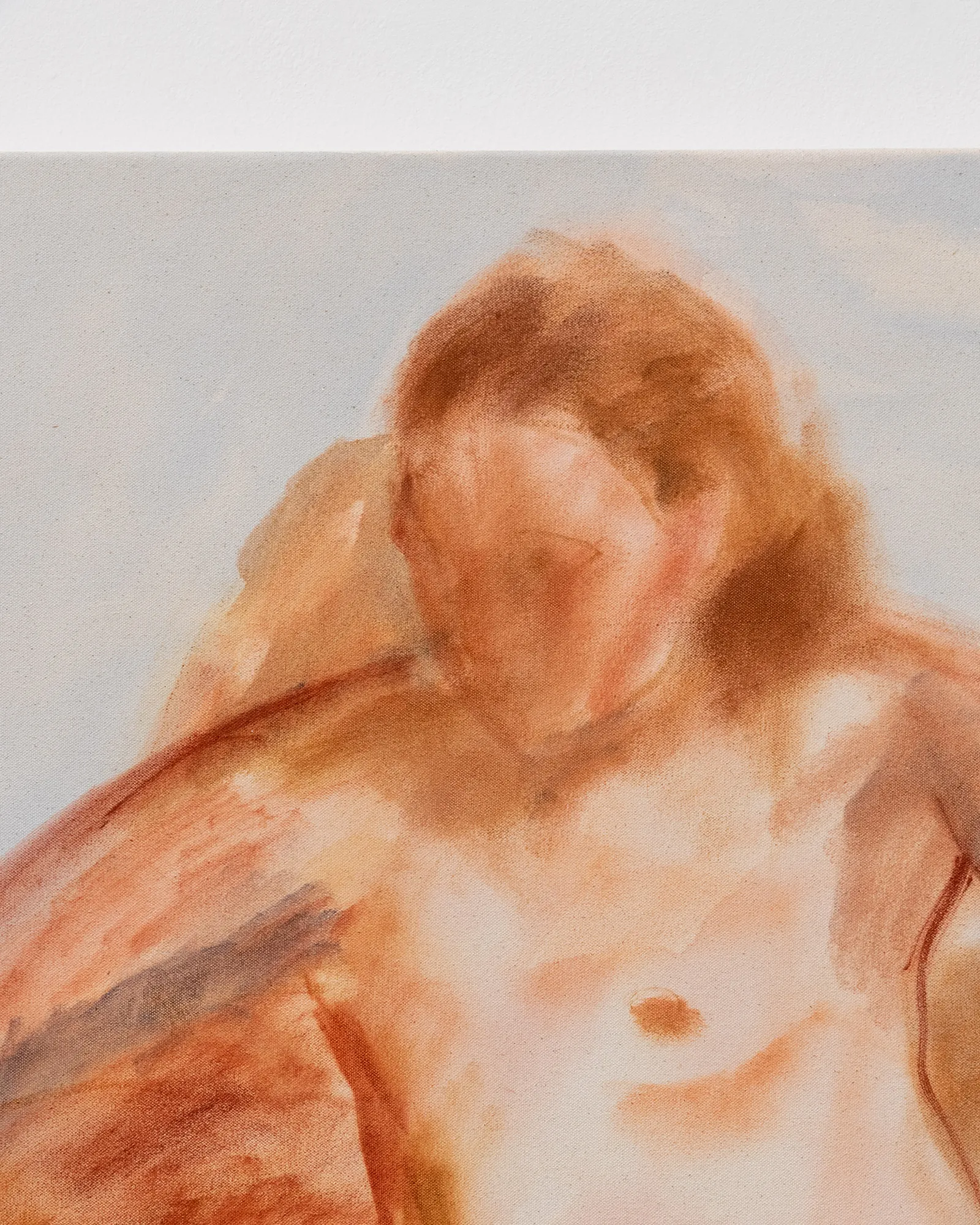
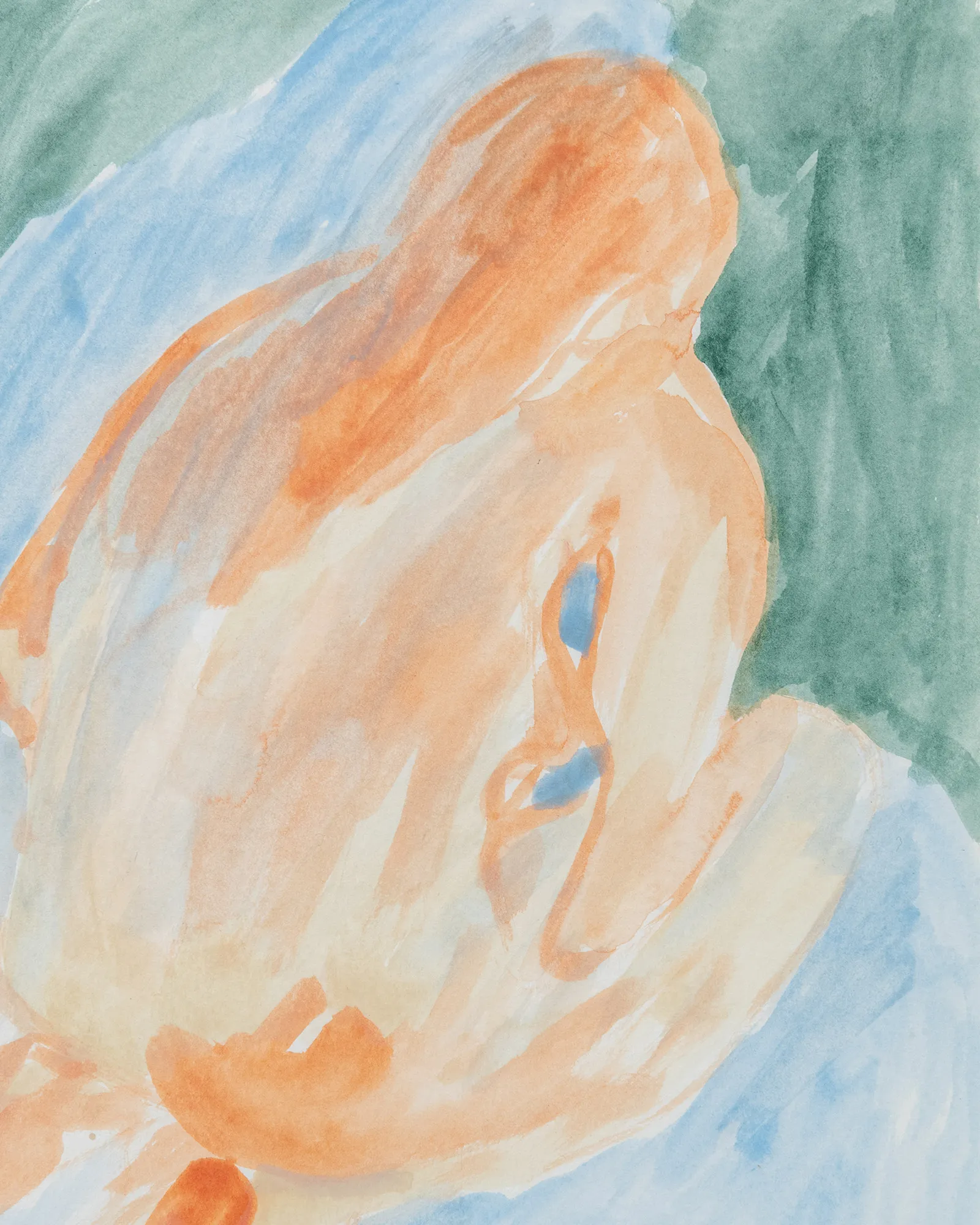
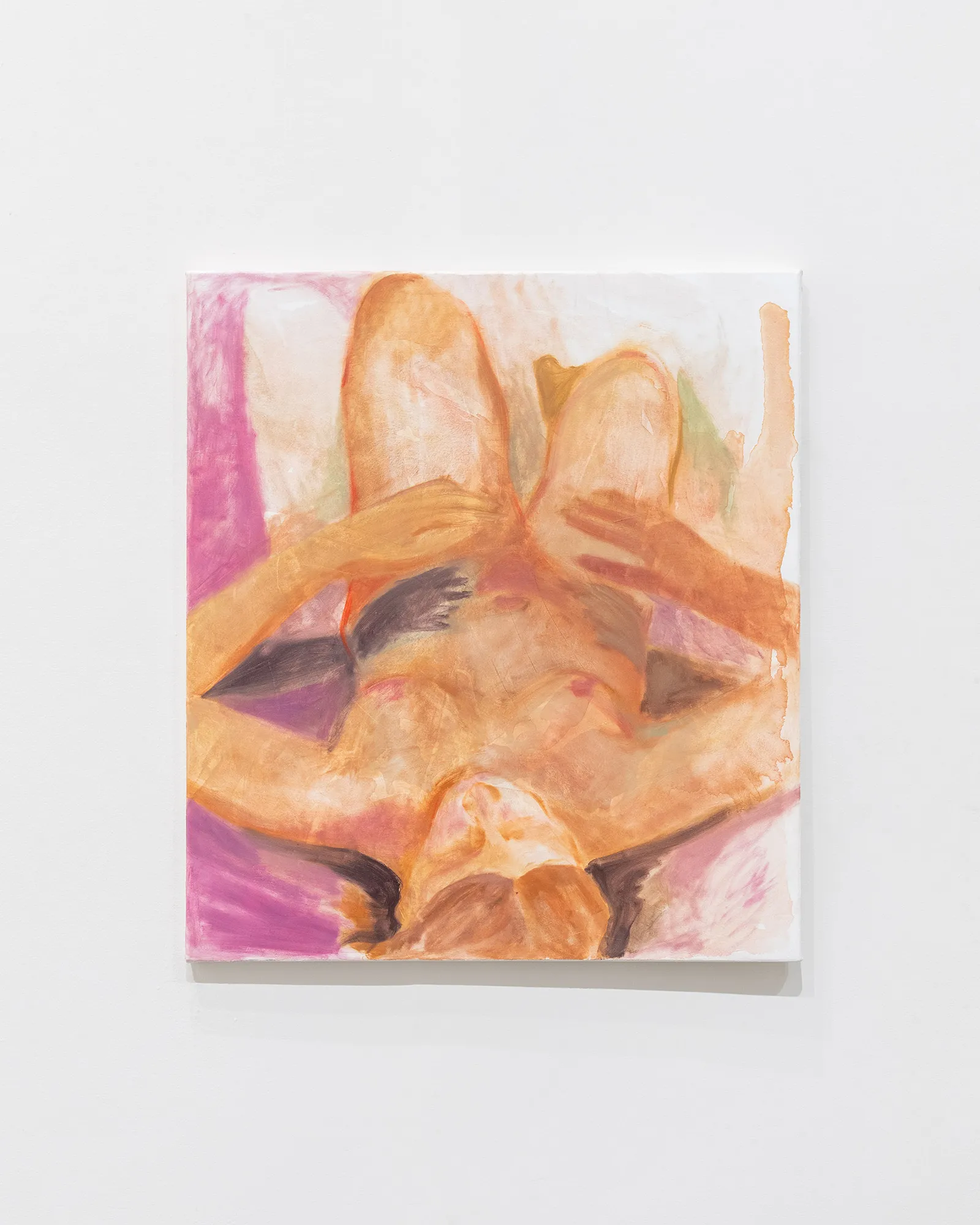
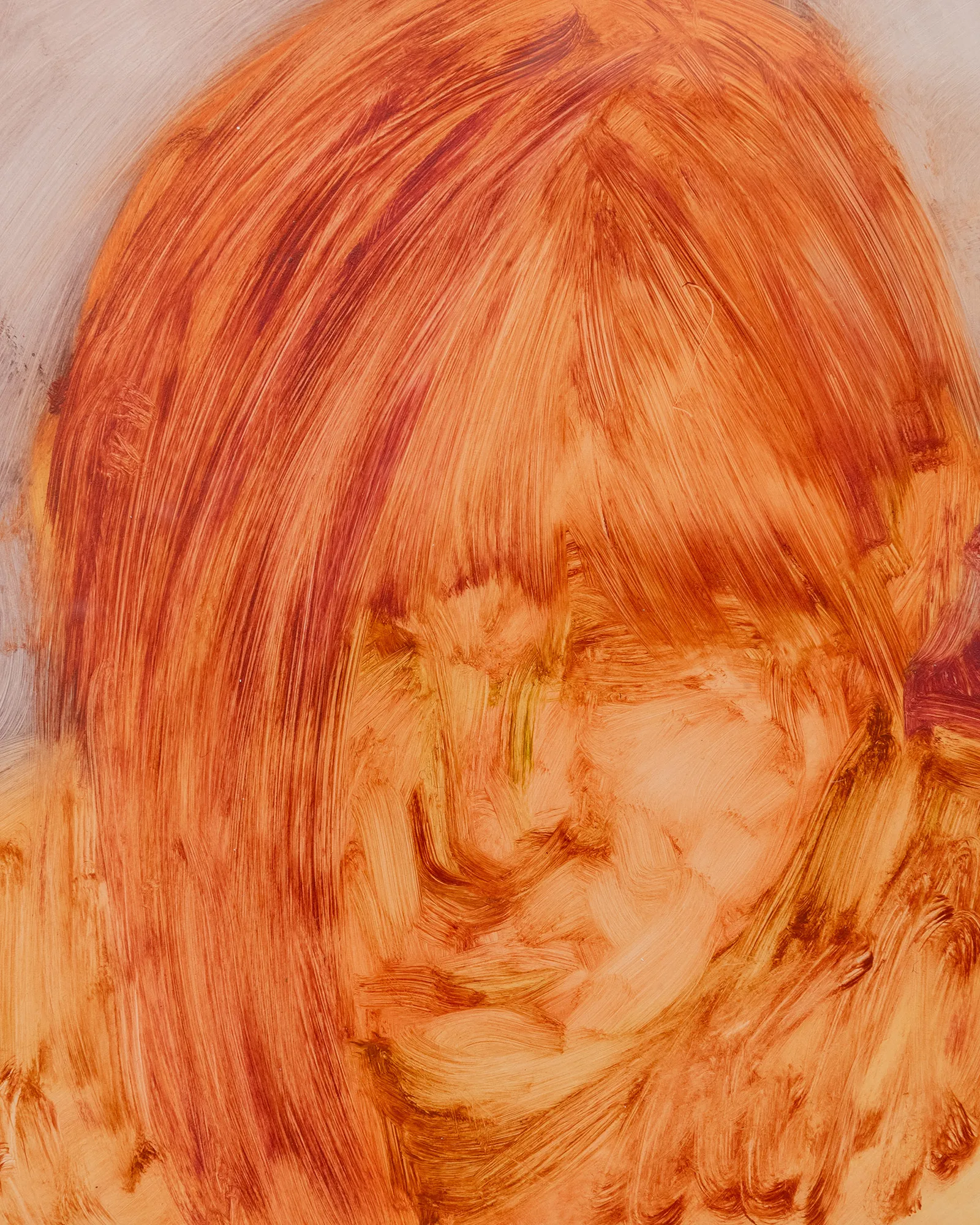
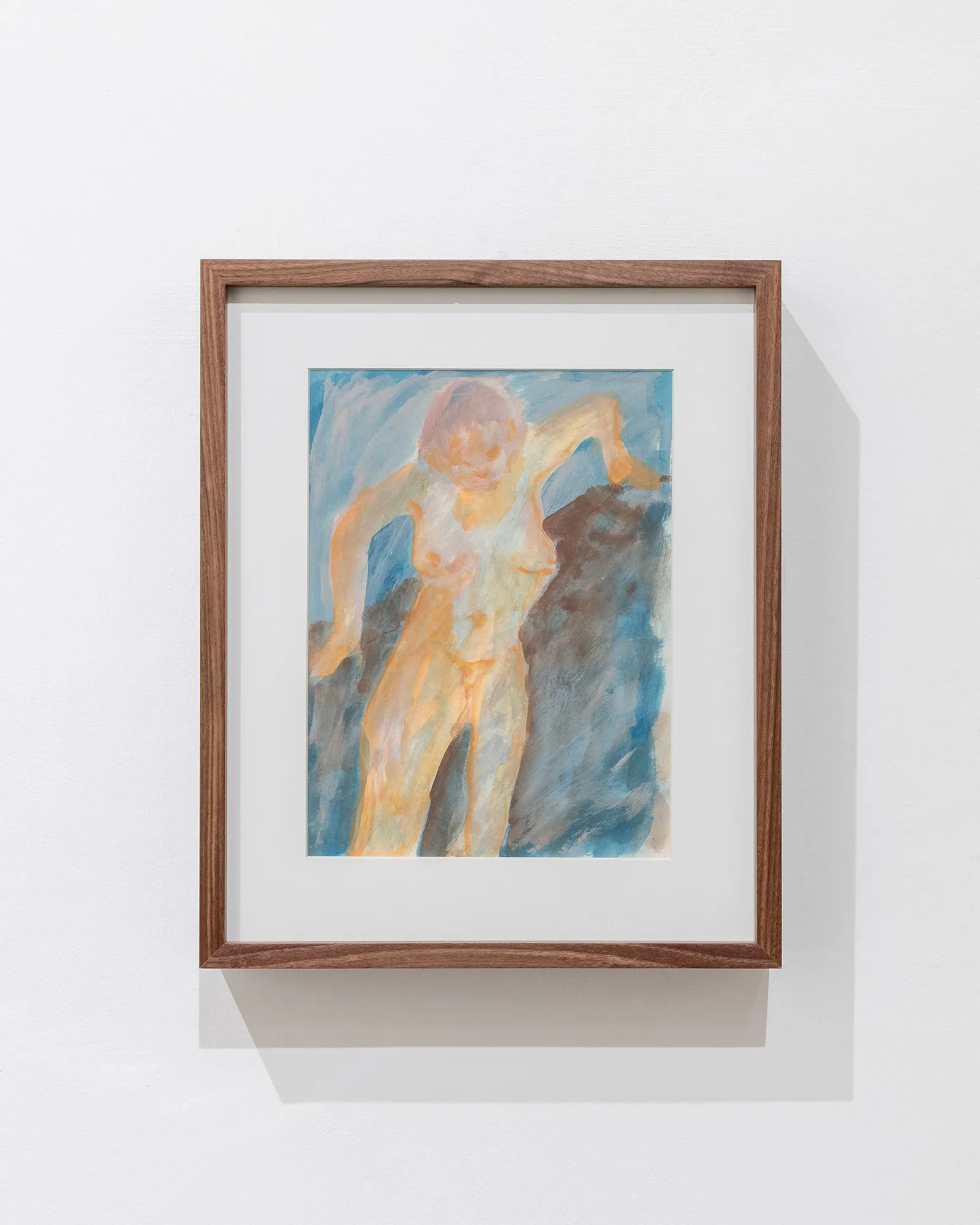
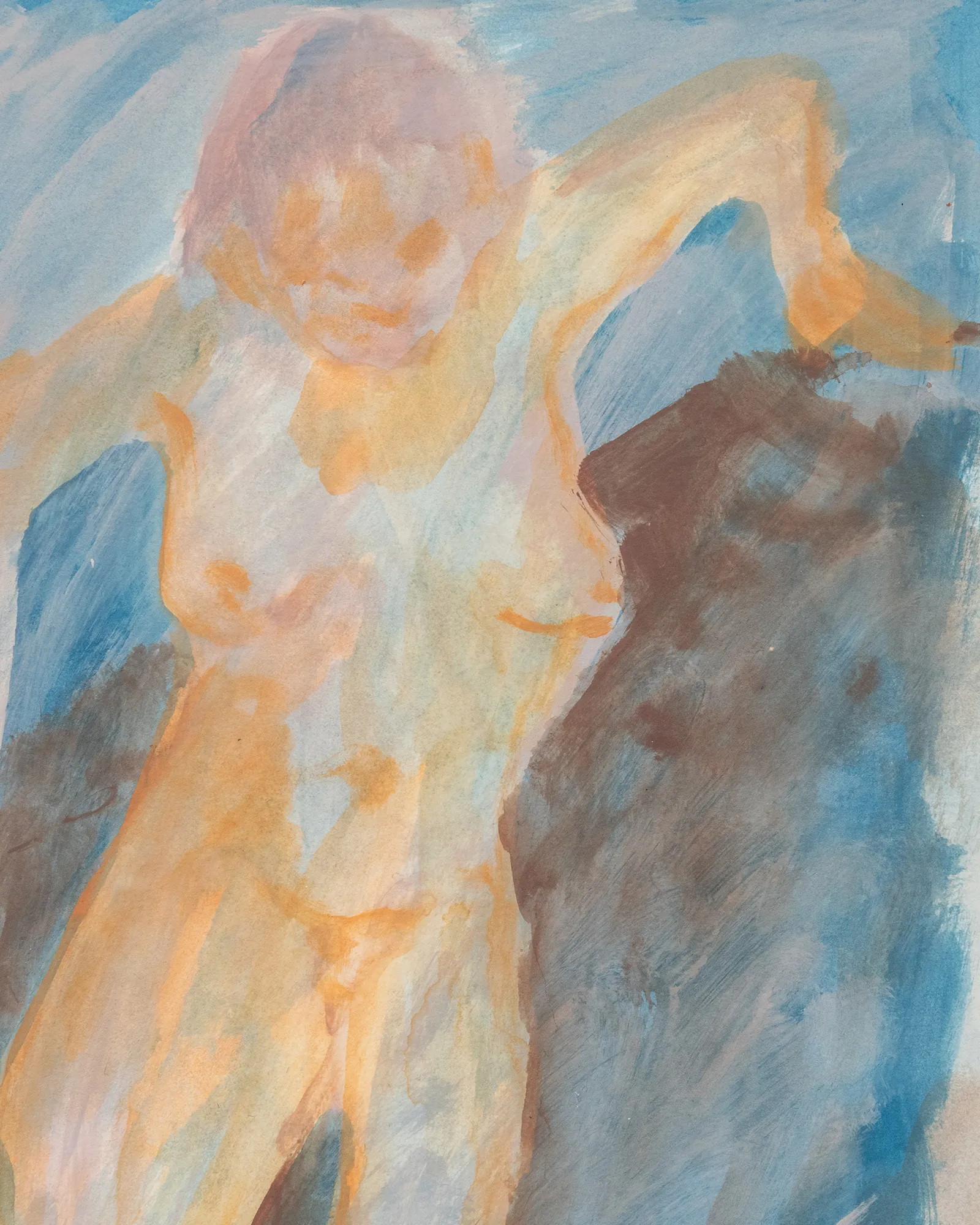
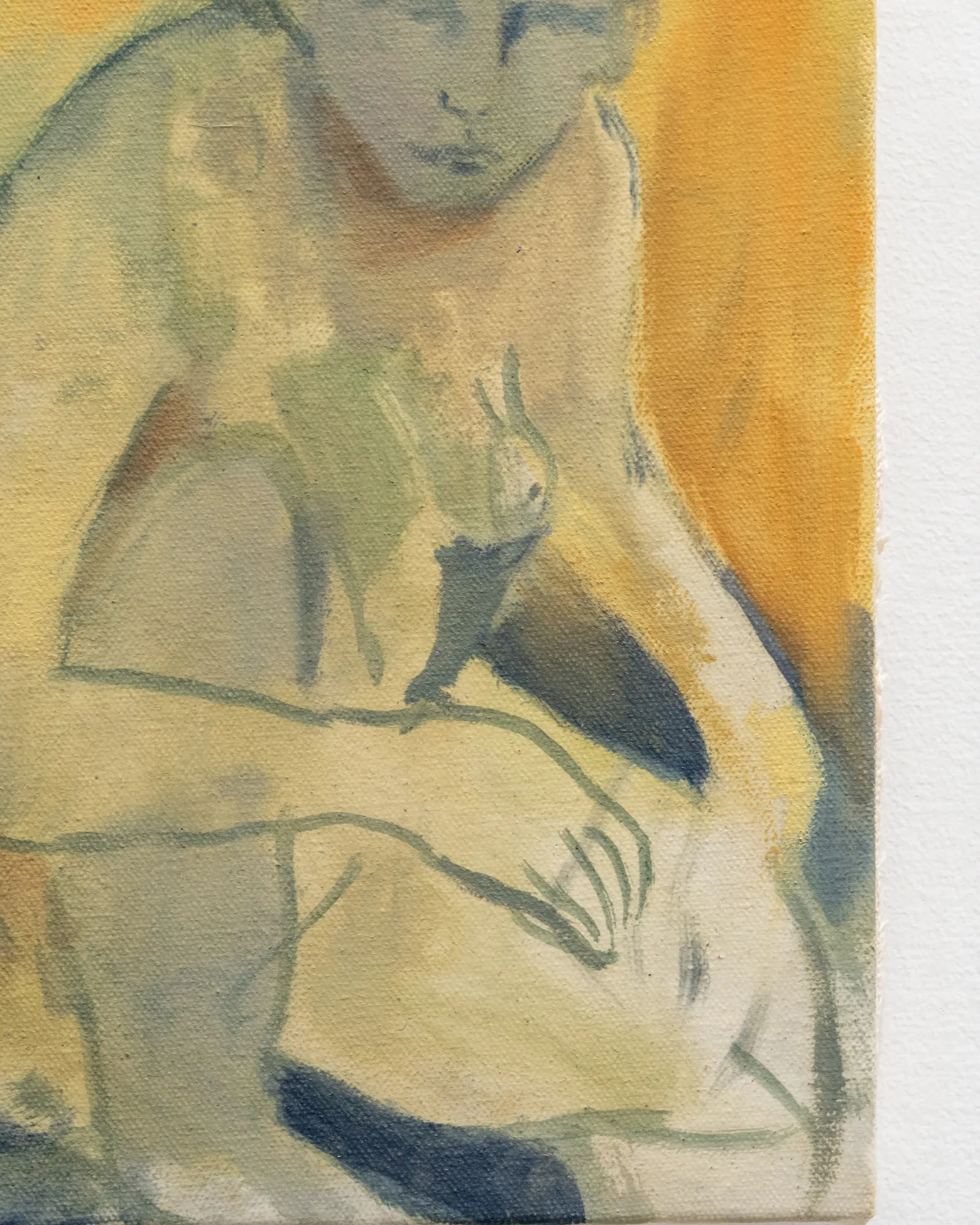
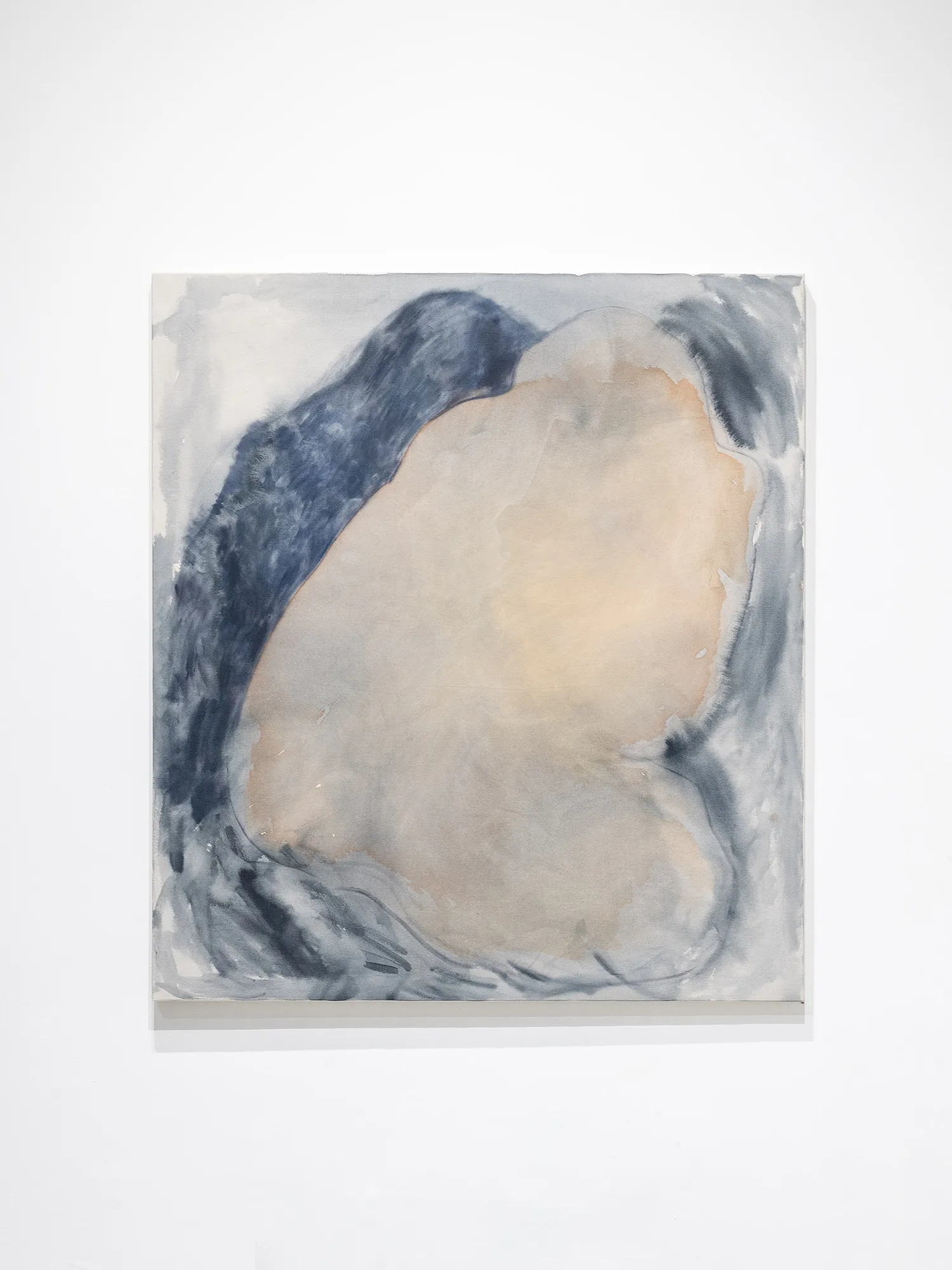
Un cuerpo desnudo, agazapado, expuesto en una habitación donde no se muestra nada, excepto el mismo, porque se evidencia directamente mediante una luz chillante, a manera de reflector, como sometido al escrutinio de alguien.
Los ojos inmóviles que te acechan fríamente como si supieran que eres la culpable de un crimen pero no pueden delatarte, sólo te observan mientras circulas por la sala.
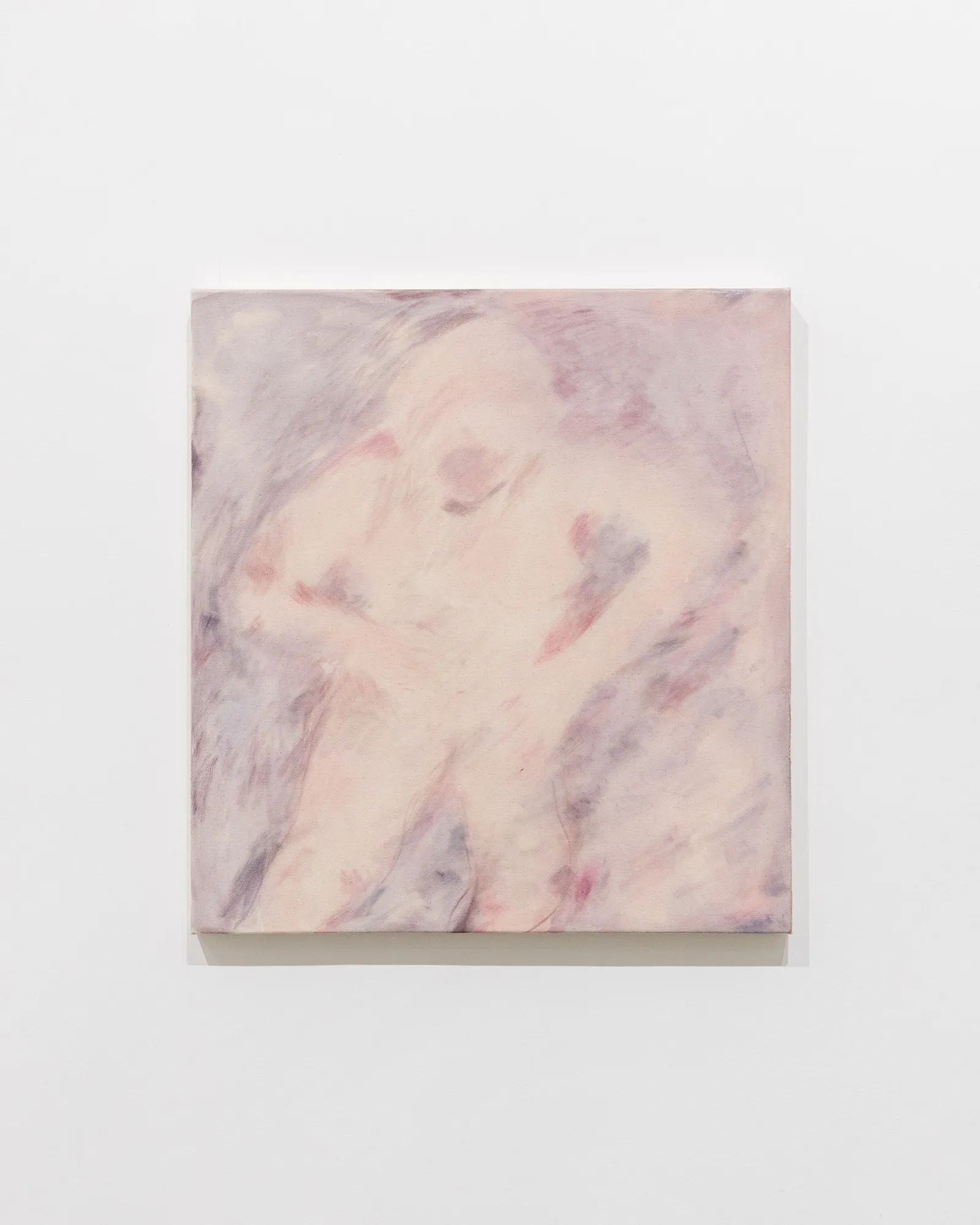
Todo comienza con un accidente. Derramar una copa de vino en la alfombra, tirar unas gotas de salsa sobre la blusa. Una mancha detona la gestación de una forma. Así se inaugura la obra, a partir de un accidente controlado. Beltrán inicia una narrativa a partir de una mancha de pintura, su diálogo con el lienzo es a manera de informe; este le manifiesta el camino a seguir, y ella le muestra las remembranzas que ha ido guardando; recuerdos sobre su cuerpo, de los cuerpos de otras y otros, menciones de sus dos domicilios y de los distintos otoños de los que ella ha...
“Tengo ganas de escupir el esqueleto”.
Recordé esta frase viendo algunas pinturas de Julieta. La frase la he escuchado decir a mi mejor amiga repetidamente a lo largo de nuestros años de amistad, nunca he sabido a qué se refiere precisamente, pero puedo sospechar que es cuando sientes que la ansiedad confiscó tu ser, o cuando te sientes harta de ser tú; o harta de ser mujer, delimitadamente.
Esta incomodidad visceral de habitar tu cuerpo, de sentir como el viento sopla dentro de tus propias tripas.
Un cuerpo desnudo, agazapado, expuesto en una habitación donde no se muestra nada, excepto el mismo, porque se evidencia directamente mediante una luz chillante, a manera de reflector, como sometido al escrutinio de alguien.
Los ojos inmóviles que te acechan fríamente como si supieran que eres la culpable de un crimen pero no pueden delatarte, sólo te observan mientras circulas por la sala.
Todo comienza con un accidente. Derramar una copa de vino en la alfombra, tirar unas gotas de salsa sobre la blusa. Una mancha detona la gestación de una forma. Así se inaugura la obra, a partir de un accidente controlado. Beltrán inicia una narrativa a partir de una mancha de pintura, su diálogo con el lienzo es a manera de informe; este le manifiesta el camino a seguir, y ella le muestra las remembranzas que ha ido guardando; recuerdos sobre su cuerpo, de los cuerpos de otras y otros, menciones de sus dos domicilios y de los distintos otoños de los que ella ha sido testigo.
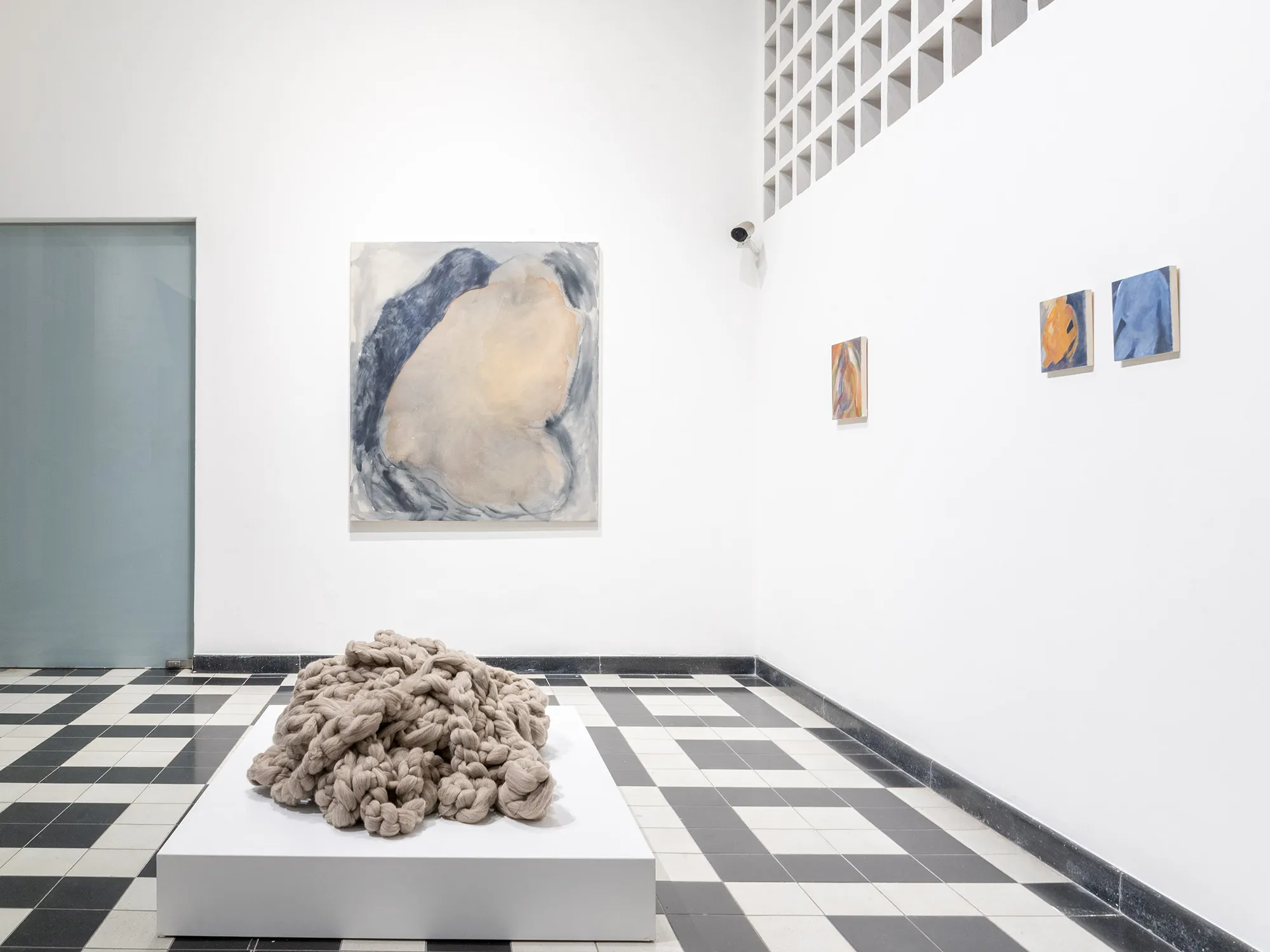
Existe en su obra pictórica una ensoñación. Figuras de trazos diluidos que se exteriorizan como una aparición, encontrándote incapaz de determinar su presencia. El efecto de ver un fantasma. Siluetas que revelan una sensualidad vacilante y comparten la añoranza y el vigor que brinda la intimidad. De nuevo, a través de la sala, los ojos inmóviles te están observando. Hoy se aclara todo.
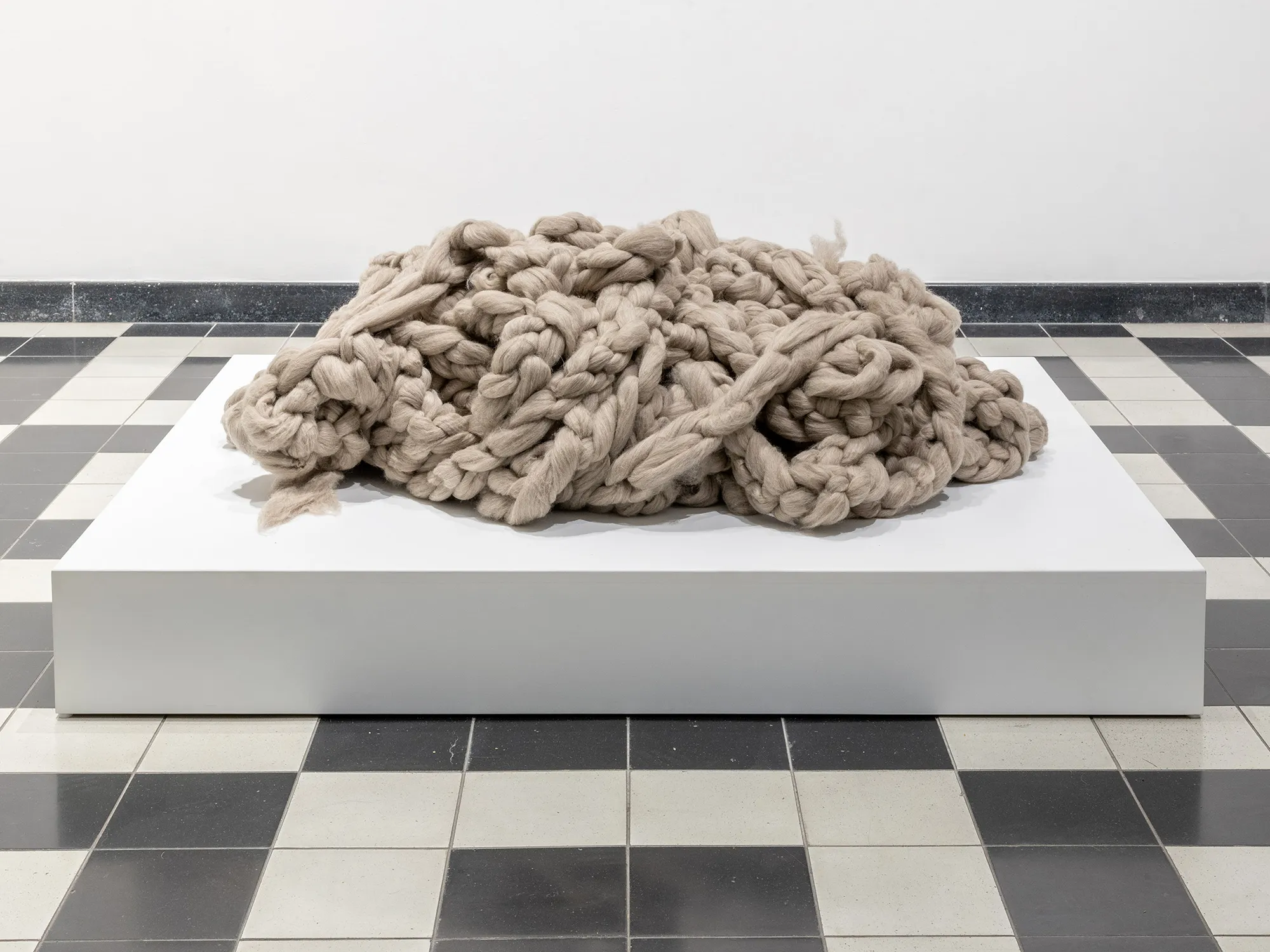
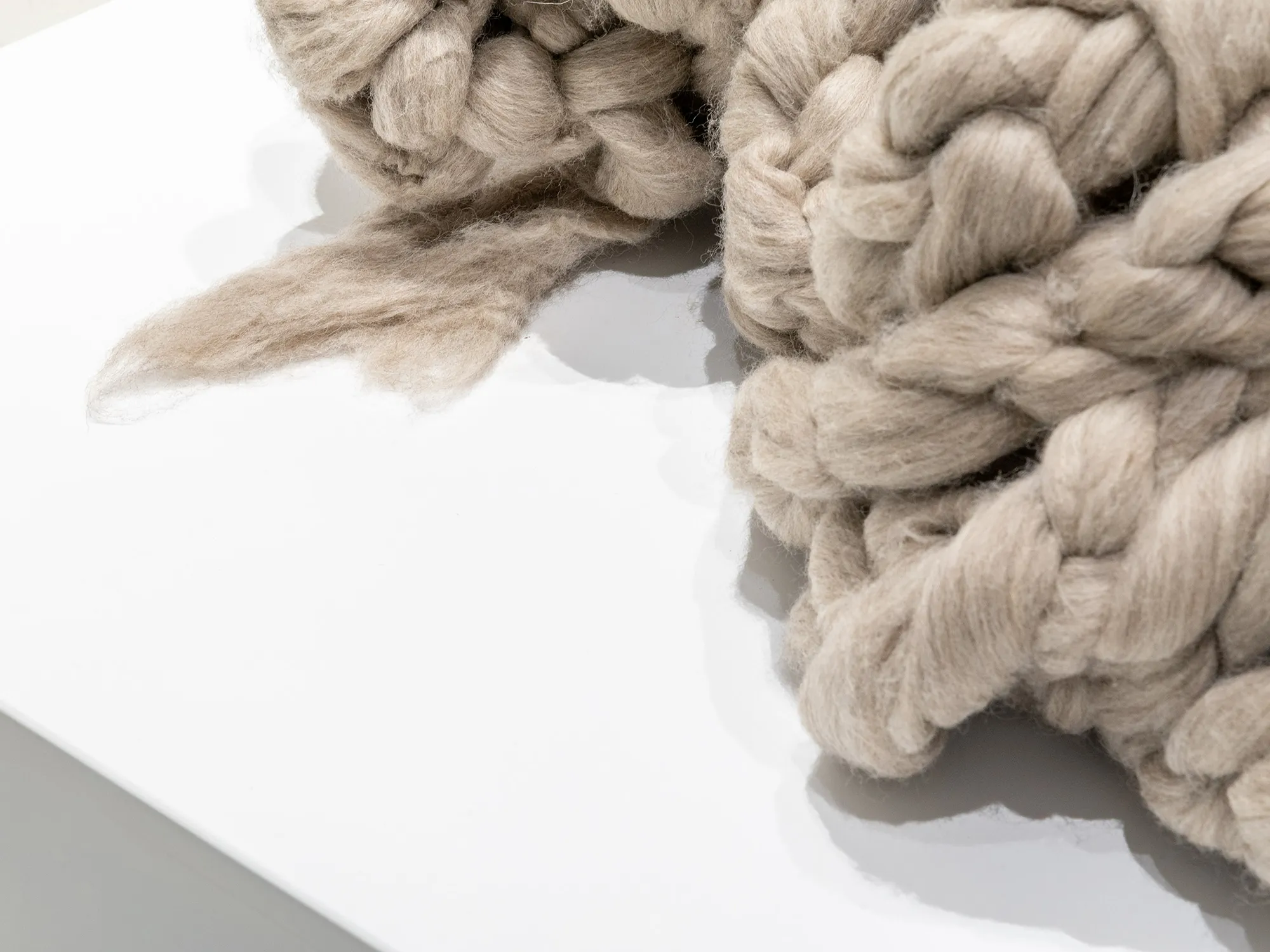
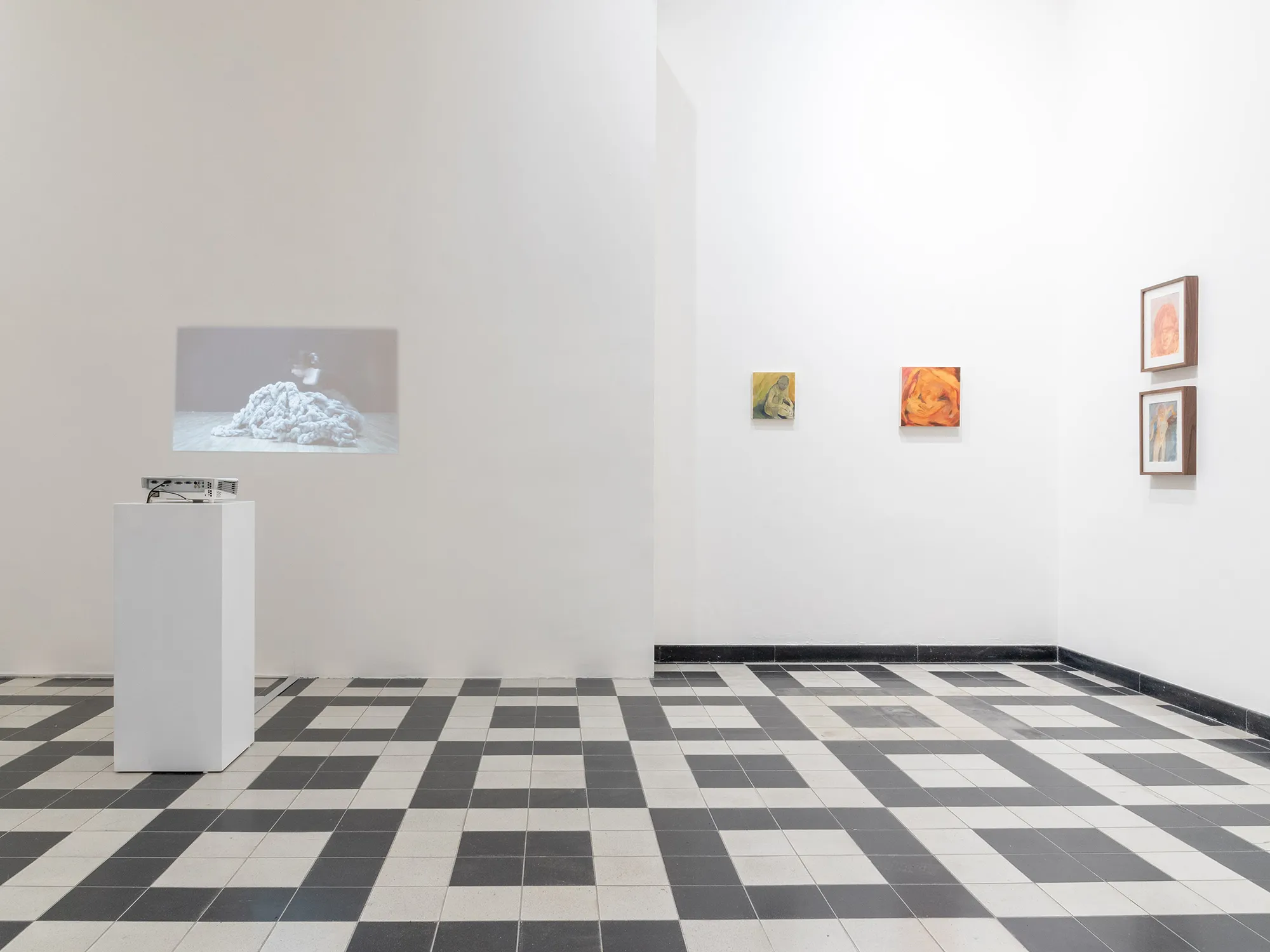
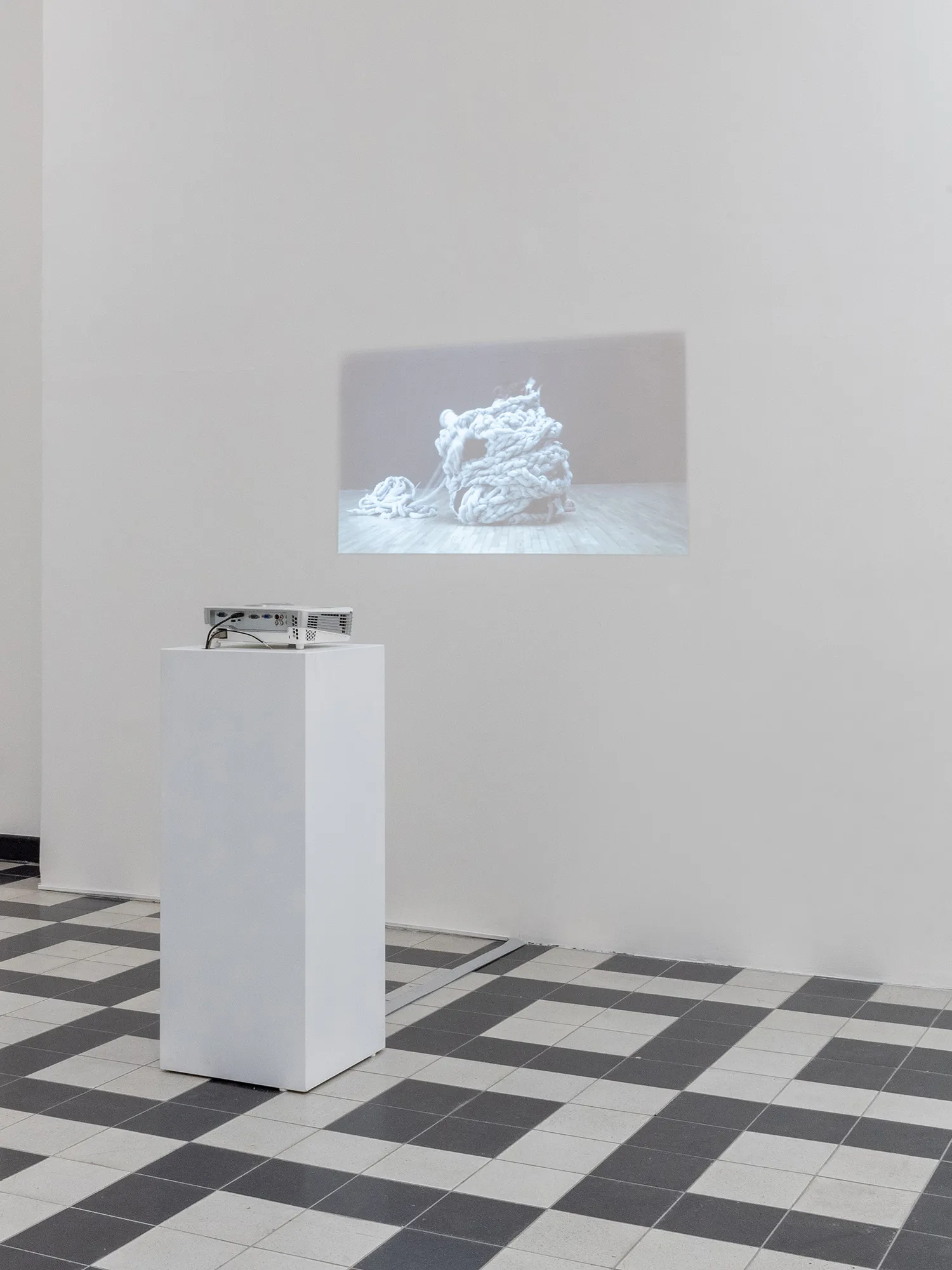
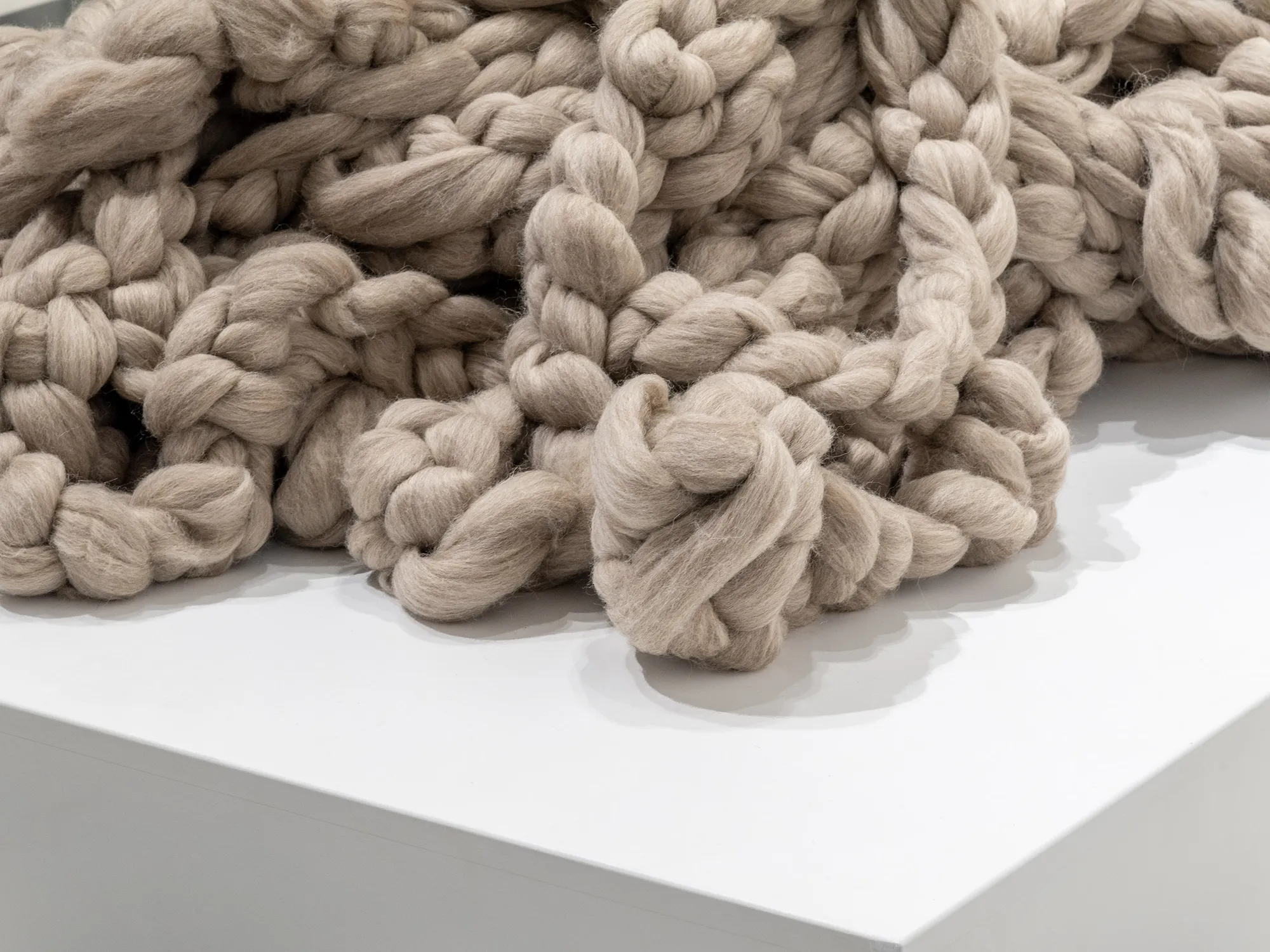
En Desde la punta de los dedos al centro de las tripas Julieta muestra un video donde se entreteje dentro de un bulto de lana que pareciera formado por sus entrañas que fue trenzando para anudarse a modo de una segunda piel. Una trama somática que fue hilando poco apoco, como si en cada tejido fuera acumulando sus incertidumbres y angustias. “La lana es un material que guarda memoria” me dijo Julieta cuando me hablaba del nudo de lana; me dijo que el nudo podía tardar mucho tiempo en formarse pero que podía desvanecerse rápidamente.
Aún no distingo en qué momento esta acción se refleja como una pieza performática; si estas memorias trazadas en un lienzo tuvieron la necesidad de narrarse en carne viva, o si primero existieron encarnadas y después fueron proyectadas en el lienzo.
La artista también exhibe una instalación; el nudo de cuerpo presente. El cuerpo deseoso, saciado de las impresiones que el bulto fue tramando no solo con sus vísceras, sino también con las de muchos otros cuerpos, y ahora todos estos se encuentran unidos por la misma tripa, satisfechos.
Me pregunto si yo también estoy ahí. En la vulnerabilidad de la desnudez y la intimidad, en la cama enredando las entrañas con las de alguien más, en el escrutinio de la luna brillante que revisa cada parte de mi escasez. ¿Por qué nos repercute cómo se nos valora como mujeres?
Miriam Hernández Hernández