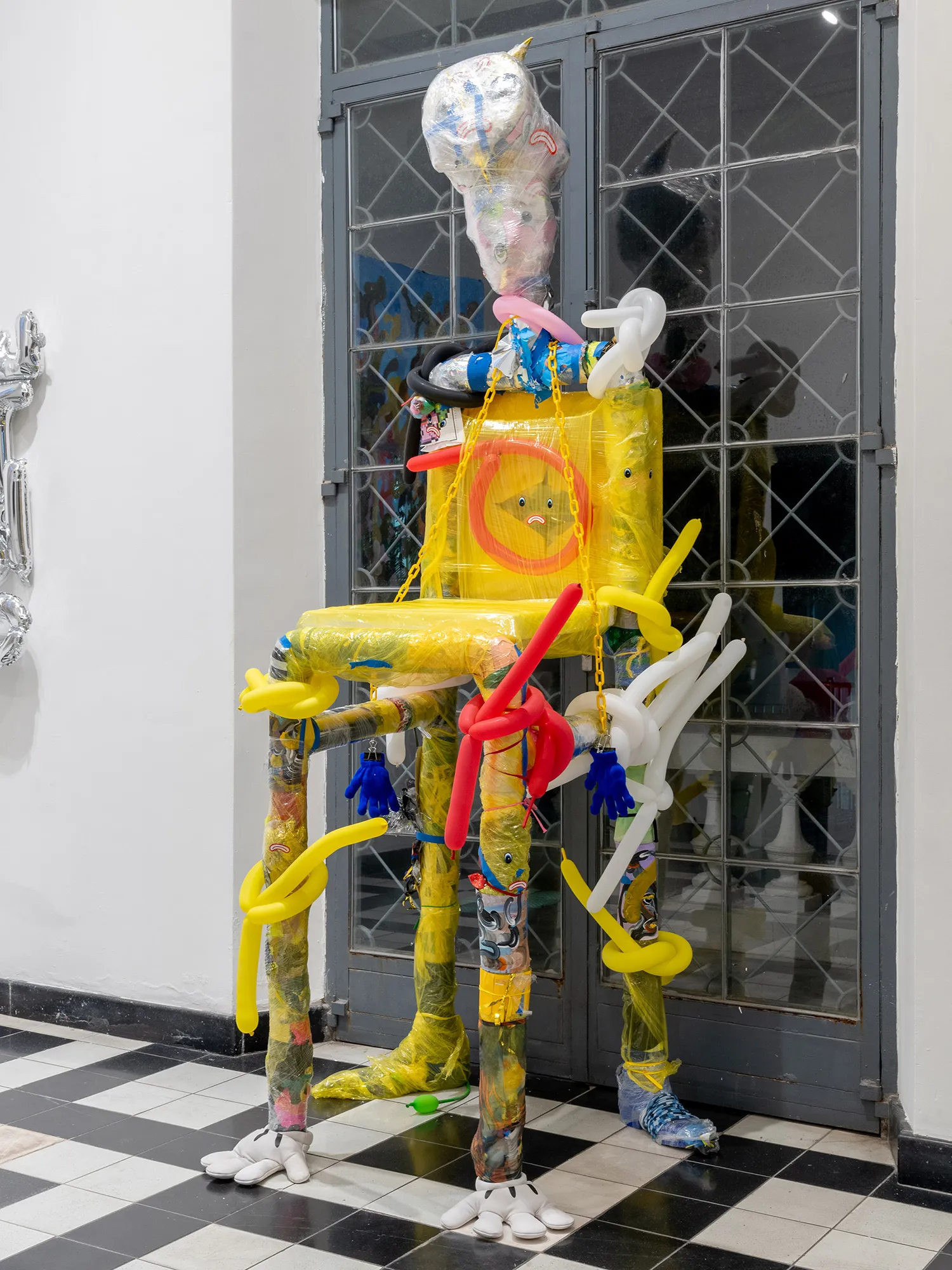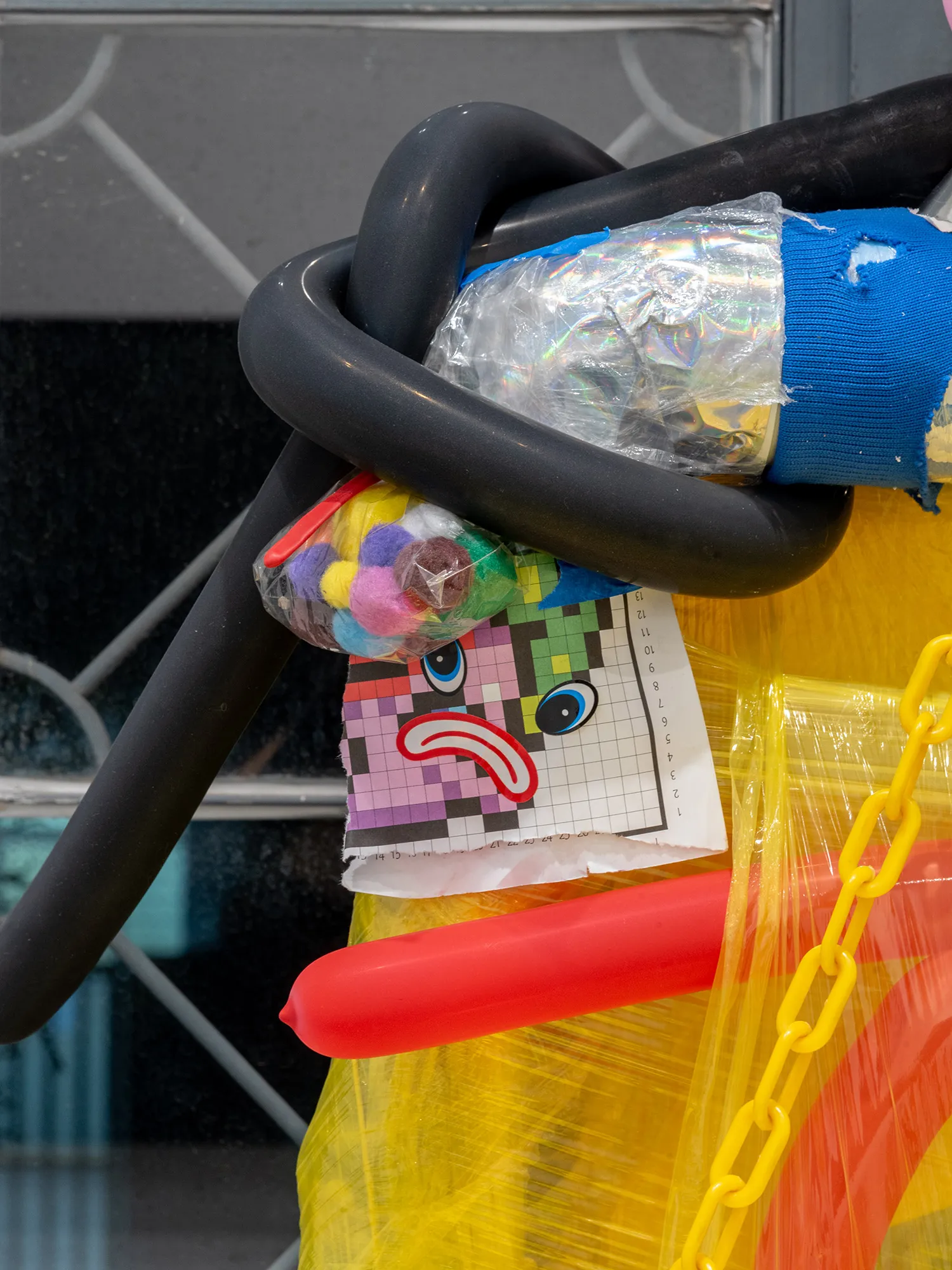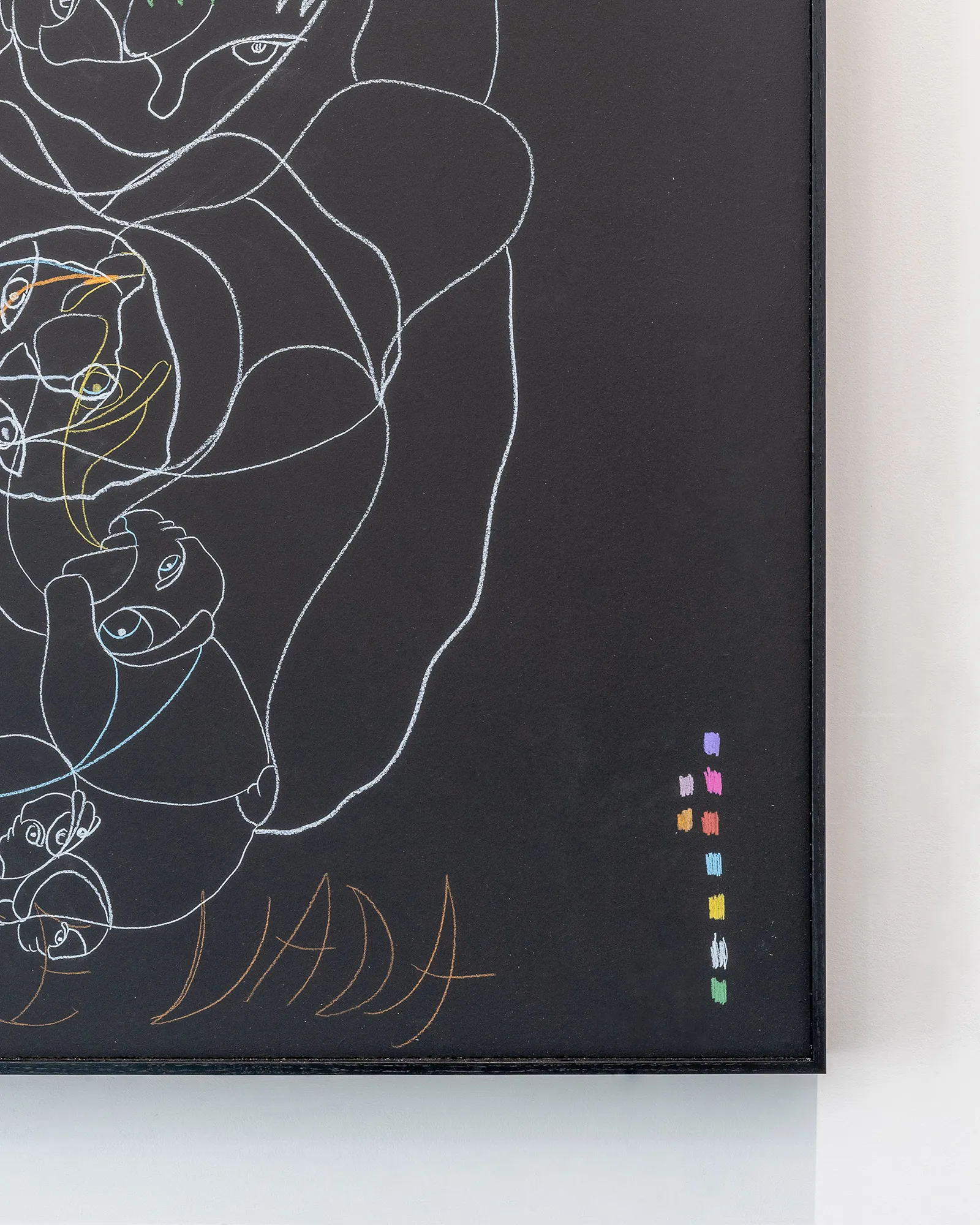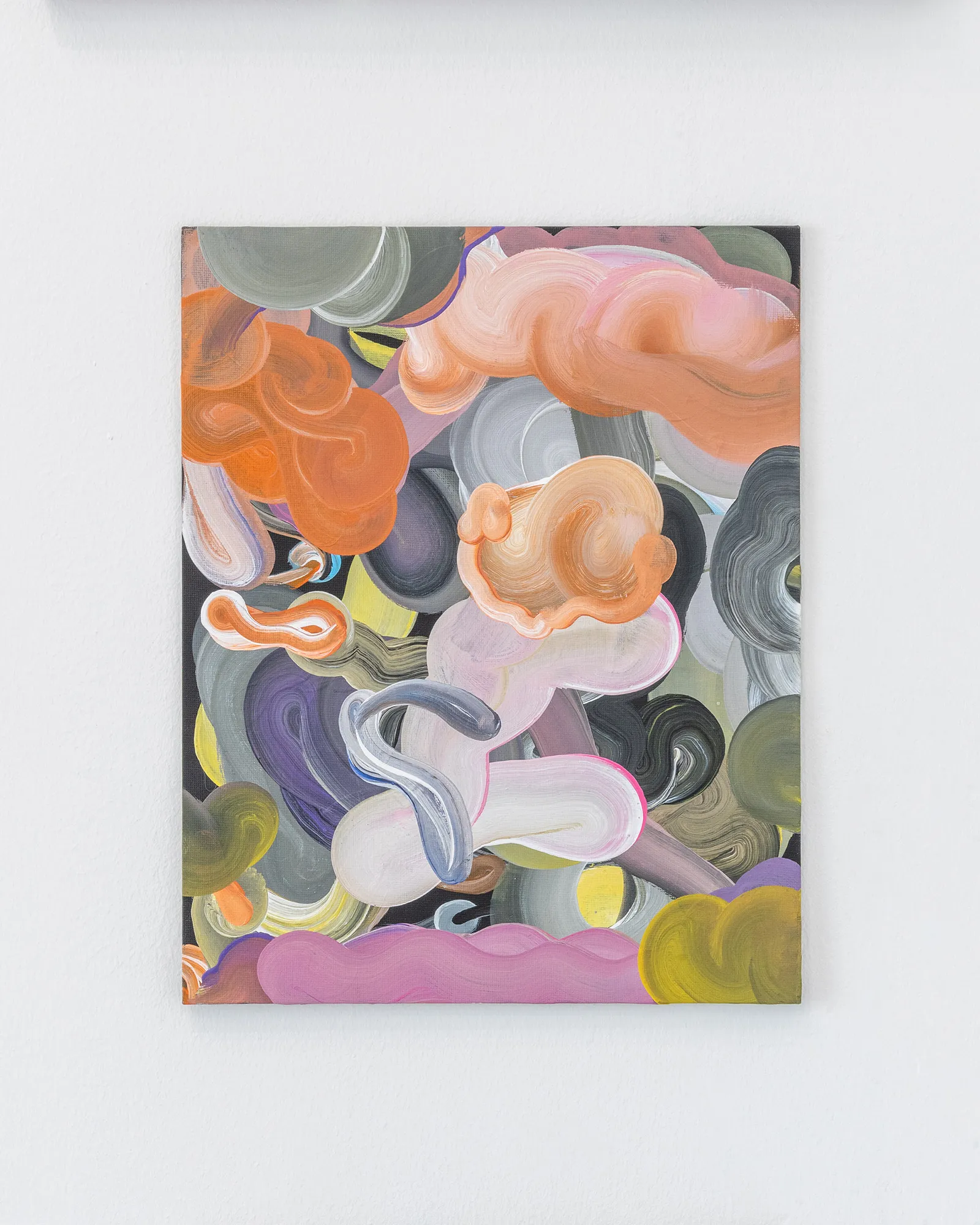
Crixto Xalvador
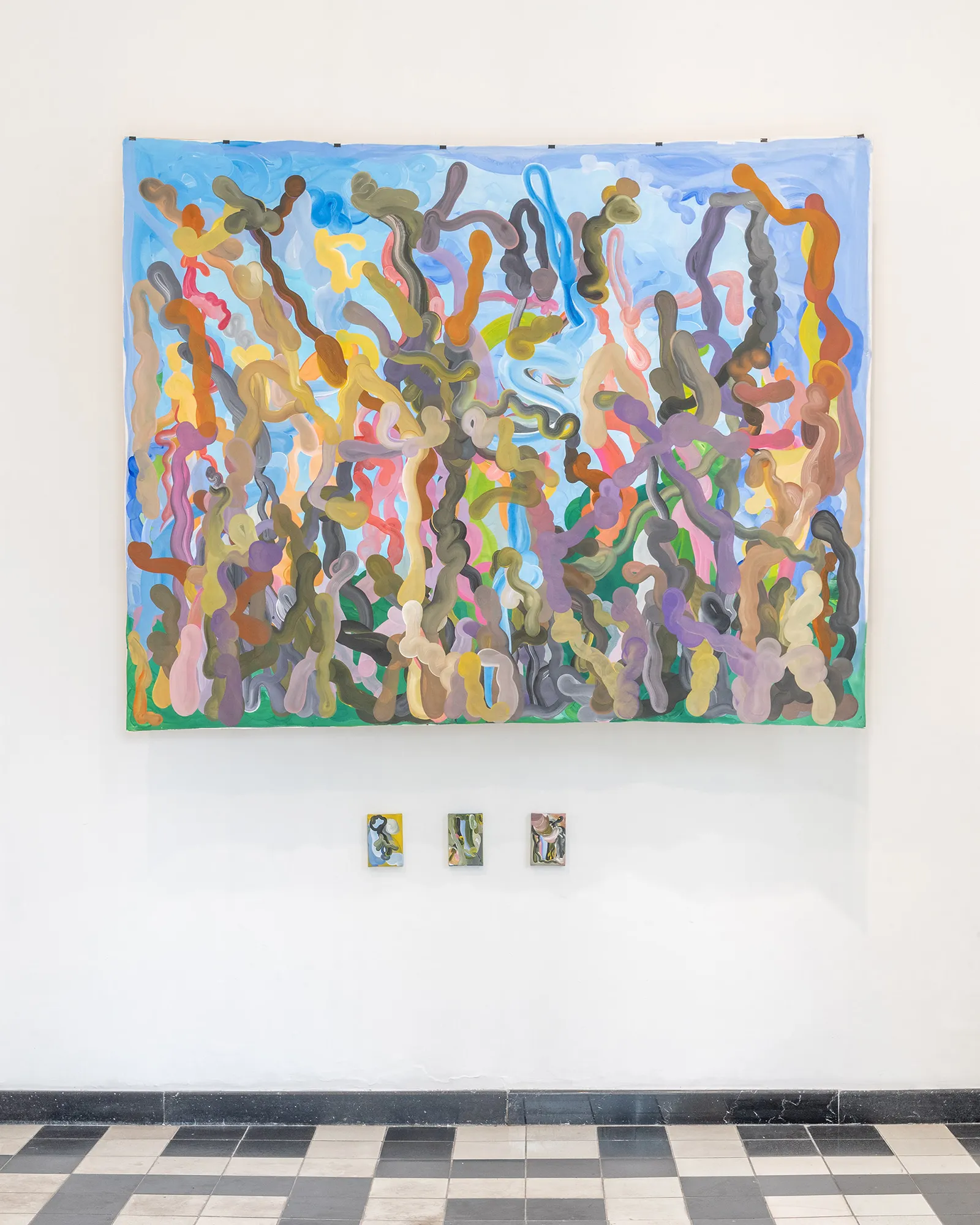
El “Sin Título”
PALMA Project Room
noviembre 01, 2024 - enero 18, 2025
Si el ethos del artista moderno estuvo marcado por la tensión entre la tradición y las vanguardias, el ethos del artista contemporáneo se tortura y complace en la autorreferencia, los movimientos sociales, los hobbies travestidos de corpus de obra, pero sobre todo, la necesidad incesante de establecer vínculos comerciales con museos y galerías.
Nació en 1980 y escapó de las fauces de una religión no predominante en México.
Su primera juventud le obligó a hacerse cargo de su belleza. Apareció en revistas gays efímeras y de tiraje limitado. Se instituyó como un emblema de la moda estrafalaria y la hospitalidad hiperreal. Reinó en los sitios de comer y beber que se inauguran para las clases aspiracionales y dominantes de la Zona Metropolitana de Guadalajara. Amó codearse con fulanita y perenganita, con los artistas mengano y zutano, residentes en el taller de X. Músicos y bon vivants de la esfera internacional.
Hizo de su vida un arte. Música, drogas y baile.
Nos dicen que hay que juzgar con gafas violeta la obra de generaciones de artistas machistas que produjeron a costa de la opresión sobre sus musas. Que bien vale hacer un dj-set contra el paradigma de las Bellas Artes porque la belleza clásica era gemela del fascismo.
Que ante el dolor de los demás (recordando a Sontag), debemos procesar bajo el microscopio todo corpus de obra que tenga tufo a sionismo y, desde luego, cancelarlo.
Salvador es un Anti Artista generoso. Asiste con respeto y humildad a las...
Si el ethos del artista moderno estuvo marcado por la tensión entre la tradición y las vanguardias, el ethos del artista contemporáneo se tortura y complace en la autorreferencia, los movimientos sociales, los hobbies travestidos de corpus de obra, pero sobre todo, la necesidad incesante de establecer vínculos comerciales con museos y galerías.
Nació en 1980 y escapó de las fauces de una religión no predominante en México.
Su primera juventud le obligó a hacerse cargo de su belleza. Apareció en revistas gays efímeras y de tiraje limitado. Se instituyó como un emblema de la moda estrafalaria y la hospitalidad hiperreal. Reinó en los sitios de comer y beber que se inauguran para las clases aspiracionales y dominantes de la Zona Metropolitana de Guadalajara. Amó codearse con fulanita y perenganita, con los artistas mengano y zutano, residentes en el taller de X. Músicos y bon vivants de la esfera internacional.
Hizo de su vida un arte. Música, drogas y baile.
Nos dicen que hay que juzgar con gafas violeta la obra de generaciones de artistas machistas que produjeron a costa de la opresión sobre sus musas. Que bien vale hacer un dj-set contra el paradigma de las Bellas Artes porque la belleza clásica era gemela del fascismo.
Que ante el dolor de los demás (recordando a Sontag), debemos procesar bajo el microscopio todo corpus de obra que tenga tufo a sionismo y, desde luego, cancelarlo.
Salvador es un Anti Artista generoso. Asiste con respeto y humildad a las exposiciones de sus No-pares. Disfruta del éxito de los demás.
No hay en él un solo atisbo de mezquindad. Cualquiera de nuestras glorias municipales ya quisiera tener un poco de la grandeza humana de Salvador. También, cualquier pelona budista quisiera algo de la serenidad que tiene Salvador y su pelona ante la adversidad.
Desde que la corrección política –la nueva cara de la doble moral– ha invadido las redes sociales, las universidades y las instituciones de gobierno, en especial en las relacionadas con la educación, el arte y la cultura, se ha instaurado un tópico recurrente en el campo específico del arte: ¿debemos separar al arte del artista?
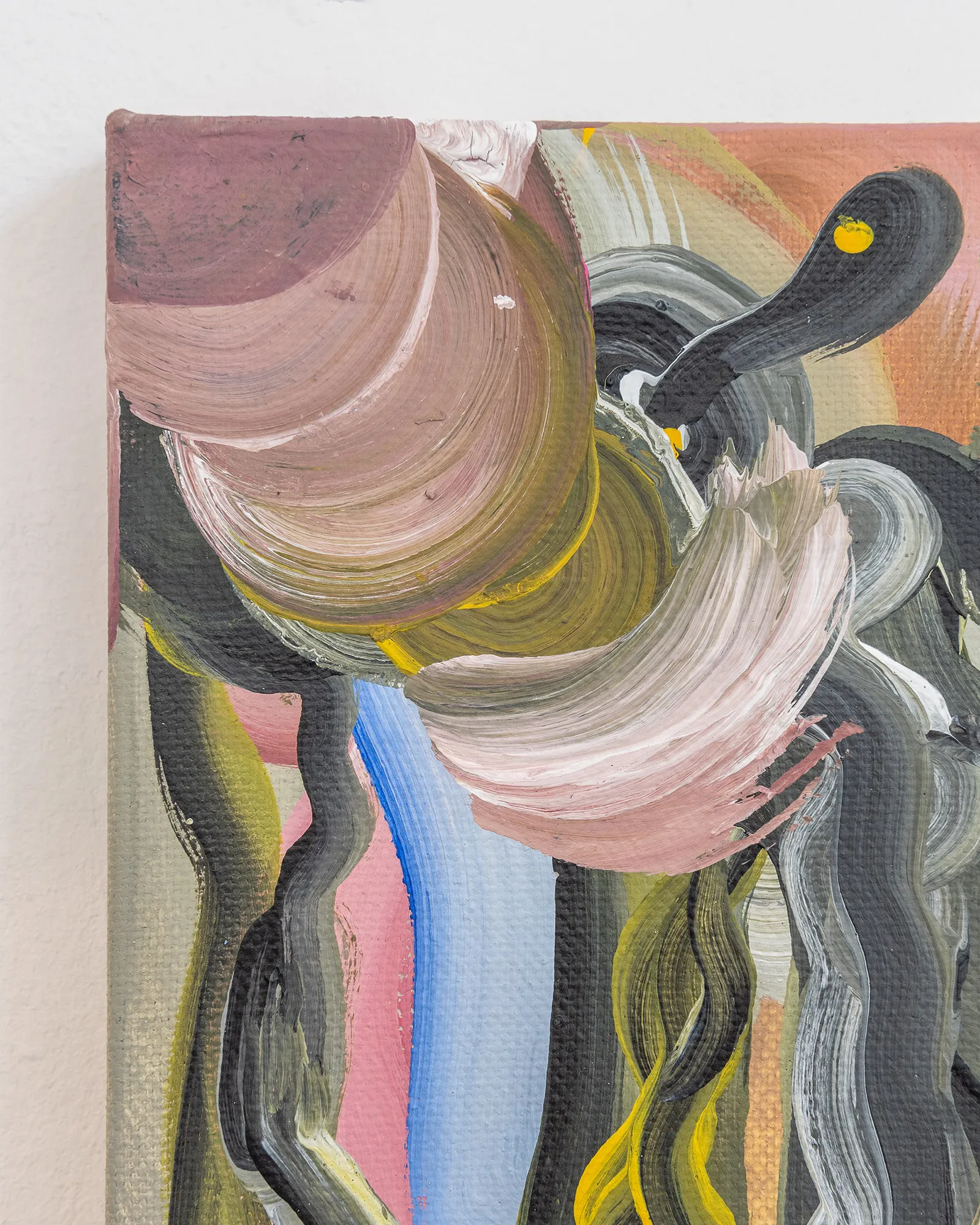
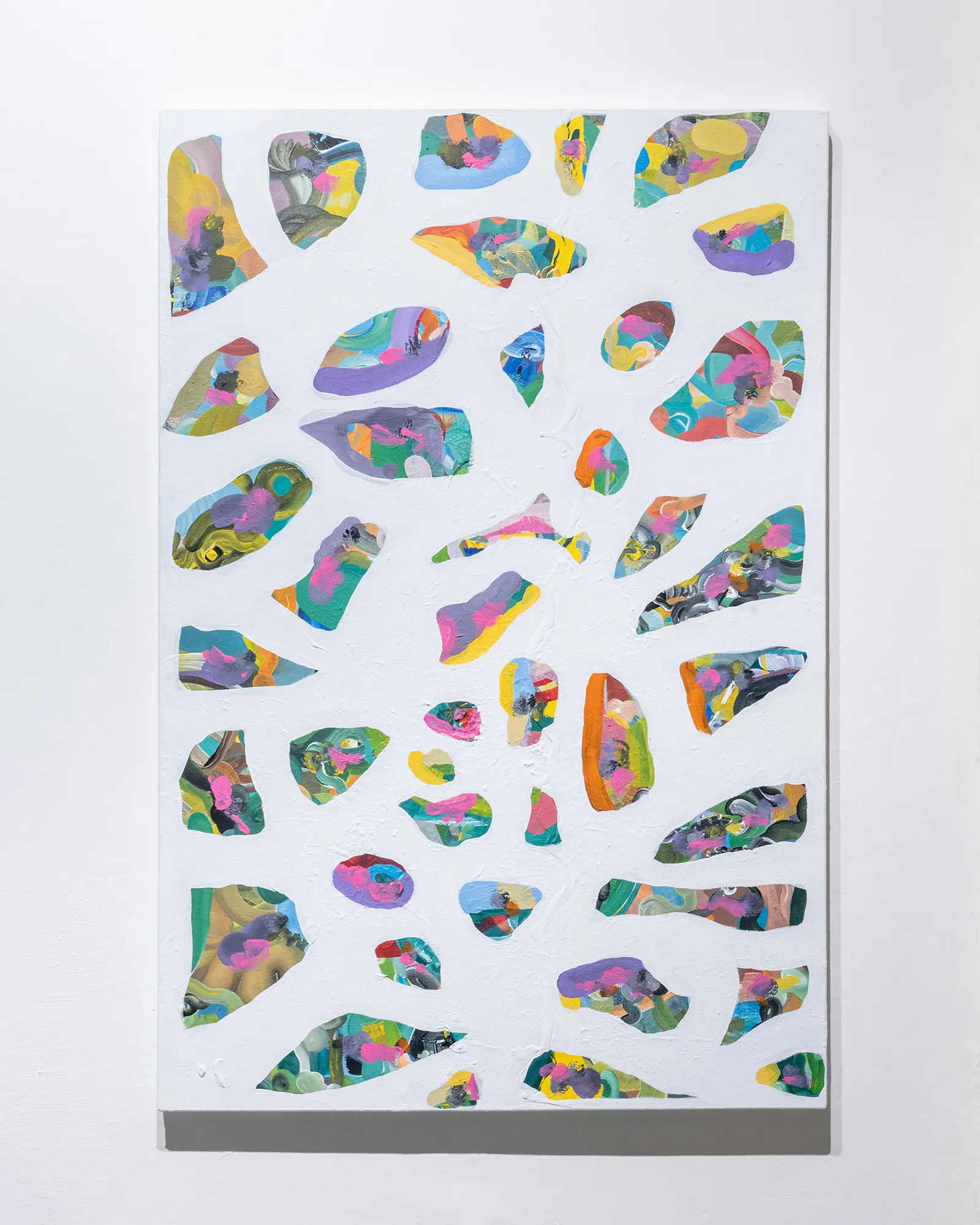
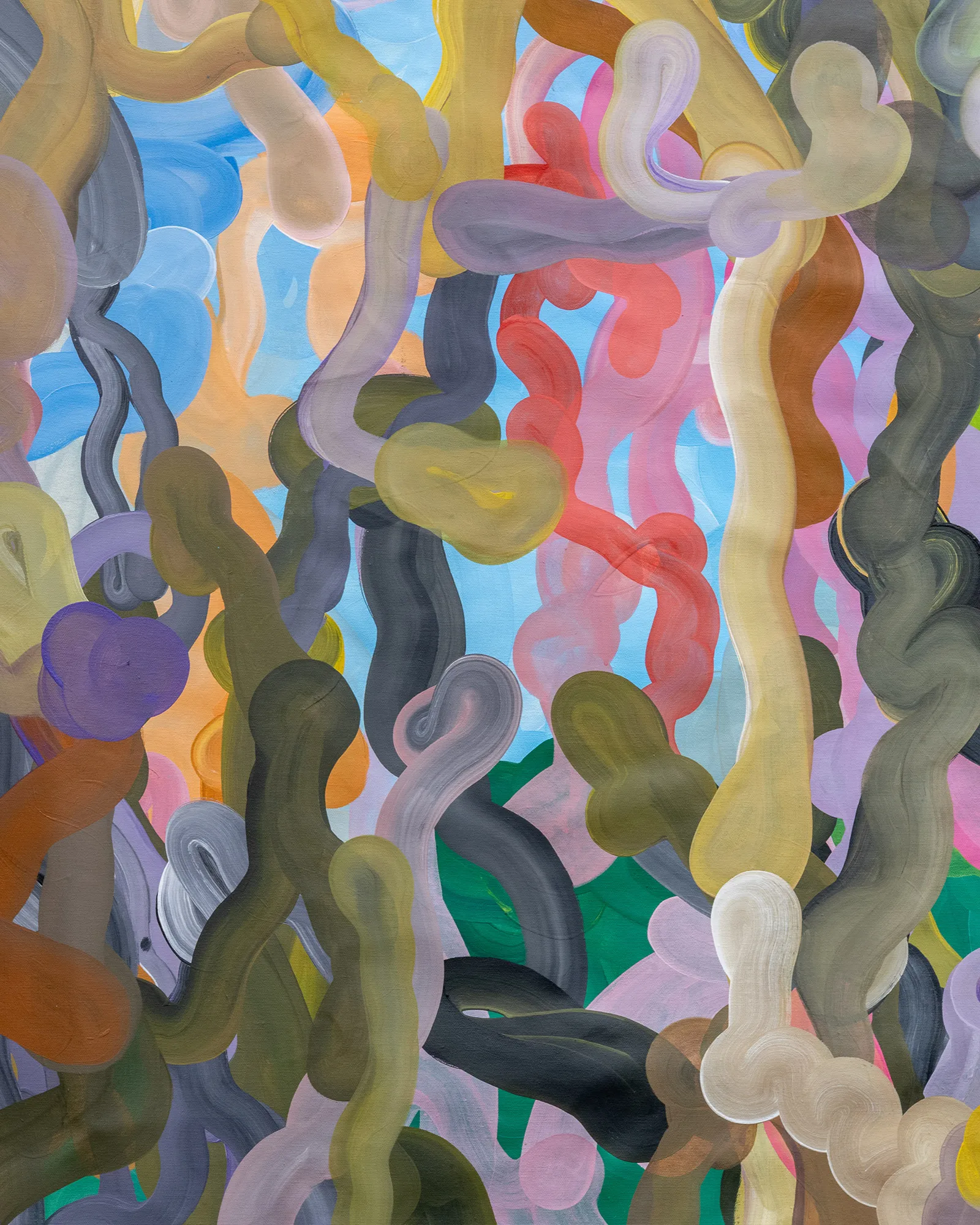
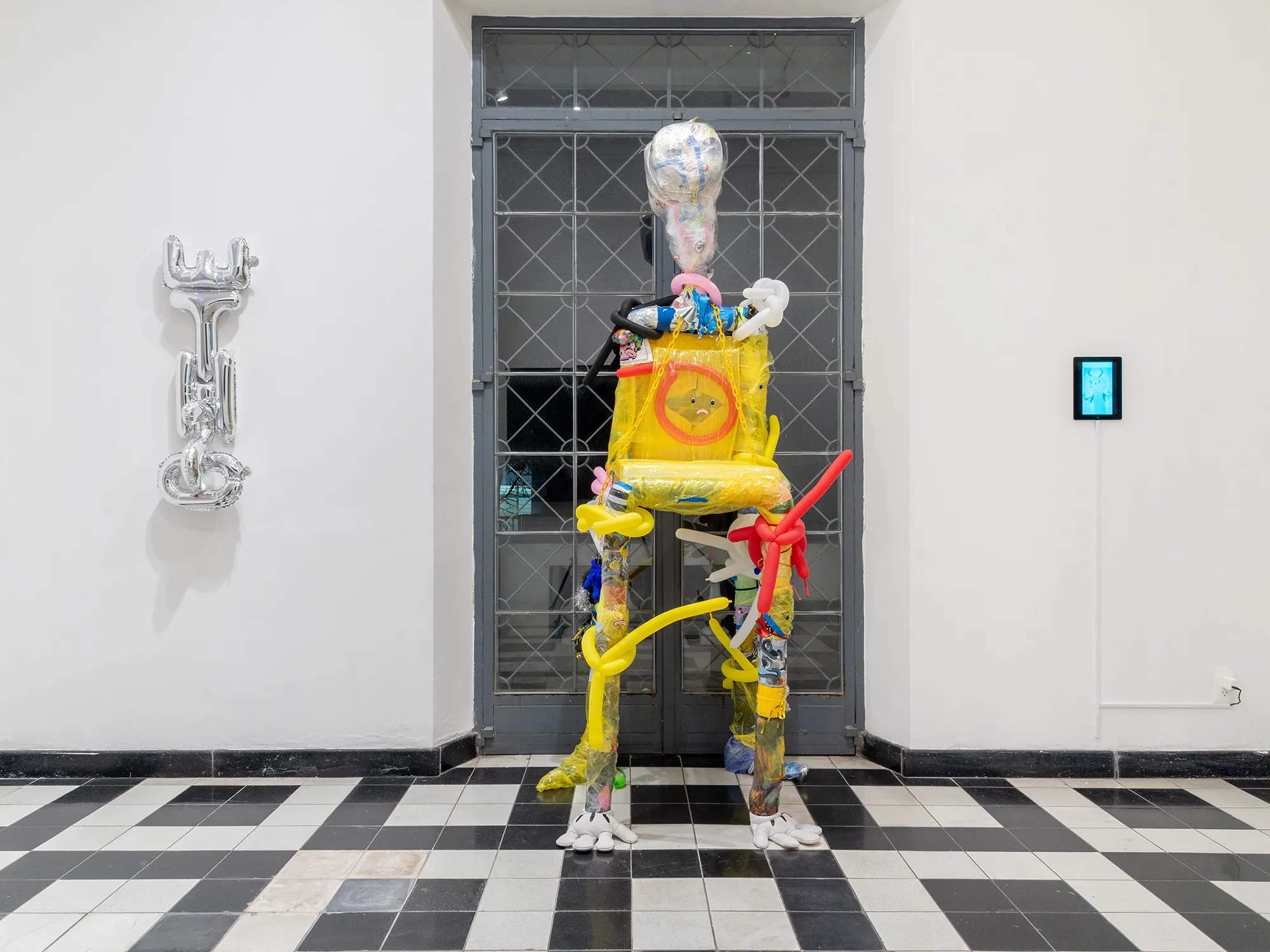
En el caso de Salvador González la respuesta es no, ni aunque se quisiera. Salvador ha hecho de su [según él] mala vida un arte: de su ropa, de su compleja relación con su madre y su padrastro, de su abstinencia, de su sexo y su masturbación desenfrenadas. Sobre todo, su obra ha hecho metástasis con su obsesiva reflexión sobre las relaciones de clase. Su paradójica condición de subordinado y par. Su pasión y su odio por las élites solo se explica a la luz de una obra caótica como la de Salvador.
Paulo Gutiérrez
Curaduría del programa de proyectos por Escombro.